

Nickel is one of those metals that is invaluable to various industries, from technology to coin production. It is increasingly seen as a strategically important metal due to its versatility and growing demand, especially in new technologies. In this blog, we explore why nickel is so valuable, how it is used, and what role nickel coinage plays in this story.
Nickel is a silvery, strong metal that is many unique features has. It is particularly corrosion resistant, highly recyclable and can be easily combined with other metals to form alloys. This makes nickel suitable for a wide range of applications. Some important properties of nickel that contribute to its value are:
Because of these unique properties, nickel has applications in various industries such as aerospace, medical devices, batteries and, most famously, stainless steel. Demand for nickel has increased due to the growing electric vehicle market, where it is an essential component of rechargeable batteries, such as lithium-ion batteries.


The value of nickel fluctuates based on global supply and demand. Demand for nickel in recent years has greatly increased due to the emergence of electric vehicles and renewable energy sources. It is also seen as a strategic material for sustainable technology, making countries and companies consider it a valuable investment.
Because nickel is less easily extracted than some other metals, it remains a costly material. If demand increases while production does not increase at the same rate, nickel prices may rise, affecting not only industry but also coin production. See here the price of nickel right now.
Nickel has long been used in the production of coins. It is hard, wear-resistant and resistant to corrosion, making it ideal for coin production. Many coins worldwide contain nickel, often mixed with copper to form a durable alloy.

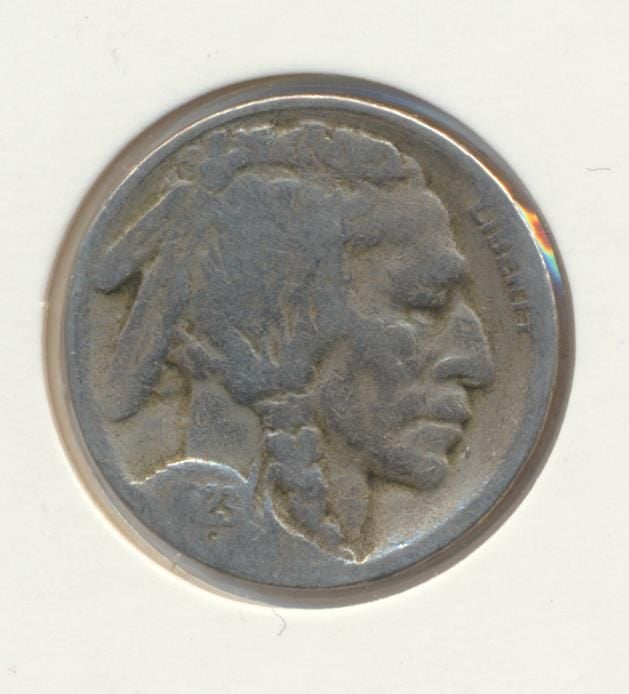

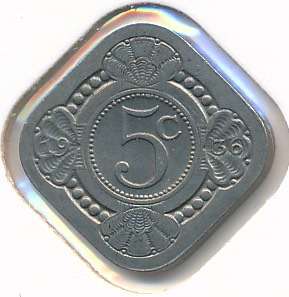
Historically, coins made of pure nickel or nickel-copper alloys were used because of the low production costs and long-term durability. The U.S. five-cent coin, known as the "nickel," and Dutch guilder coins are well-known examples of coins in which nickel played an important role. The square cents issued from 1913 to 1943 were made of 75% copper and 25% nickel.


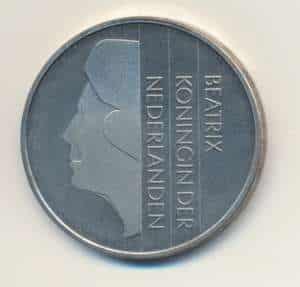
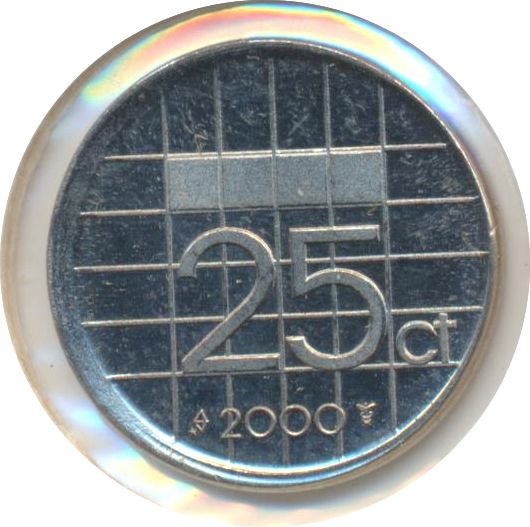
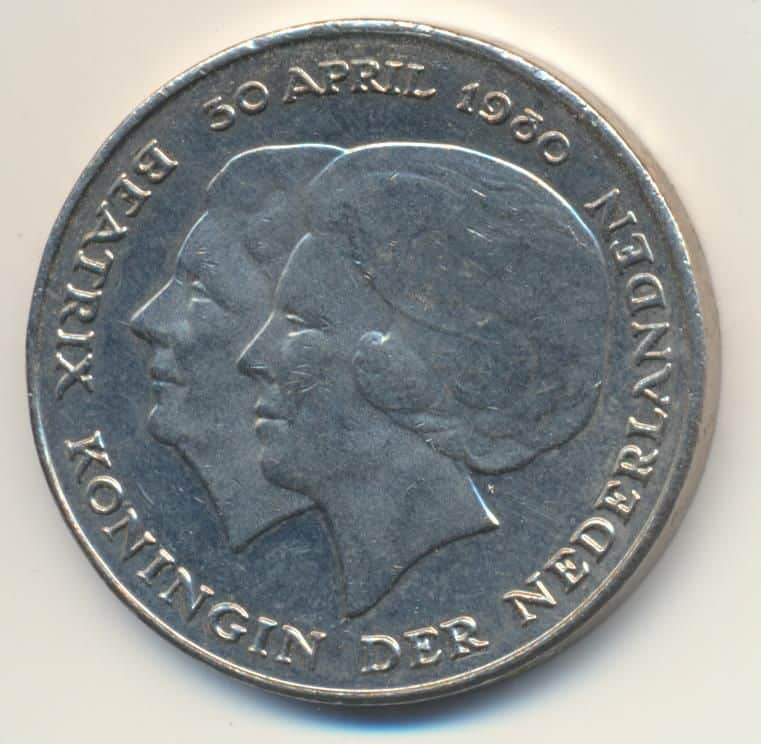
However, nickel coins not only have a face value, but also a intrinsic value, which depends on the price of nickel. When the value of nickel in the coin becomes higher than its face value, it can cause problems because people might keep the coins or melt them down to make a profit. Governments often try to counter this by adjusting the composition of coins or banning remelting.
In addition, Nickel (Ni) has long been widely used in batteries, nickel-cobalt-aluminum (NCA) and nickel-manganese-cobalt (NMC), use 80% and 33% nickel, respectively. Most electric cars use battery packs of the lithium-ion type, which includes nickel. With the rise of electric cars, the demand for nickel may also increase. This, in turn, may cause a higher nickel price. One also saw this happen when the war in Ukraine began. Nickel prices shot up because of Russia as one of the world's largest nickel exporters. The nickel price soared through to nearly 23 euros on March 1, 2022. A week later, that price doubled to nearly 40 euros per kilogram. Both the selling and purchasing price rose at that time. On the other hand, a stable price is better than a high price. After all, with an unstable market, there is also unrest in the economy. This became apparent, as the entire nickel trade came to a standstill for some time.
In addition to their role as a means of payment, some nickel coins have a high collector's value. Old coins or coins taken out of circulation can become worth a lot, especially if they are in good condition. Collector value can sometimes even far exceed the intrinsic value of the nickel in the coin. Factors such as circulation, quality and the design of the coin contribute to its value to collectors.


Given the growing demand for nickel in the technology and transportation sectors, the price of nickel is expected to continue to rise. This may affect coin production as it becomes more expensive to produce coins with nickel. Some countries have already decided to cut nickel replace by cheaper metals such as steel, aluminum or brass. Consider the European countries that have the euro coins striking in steel and brass.
At the same time, many countries are increasingly shifting to digital means of payment, which may reduce the need for physical coins. Still, nickel remains a valuable part of our economy, whether it is the production of coins, stainless steel or batteries.



 English
 Dutch
 French
 German
 Chinese
 Russian
 Arabic